
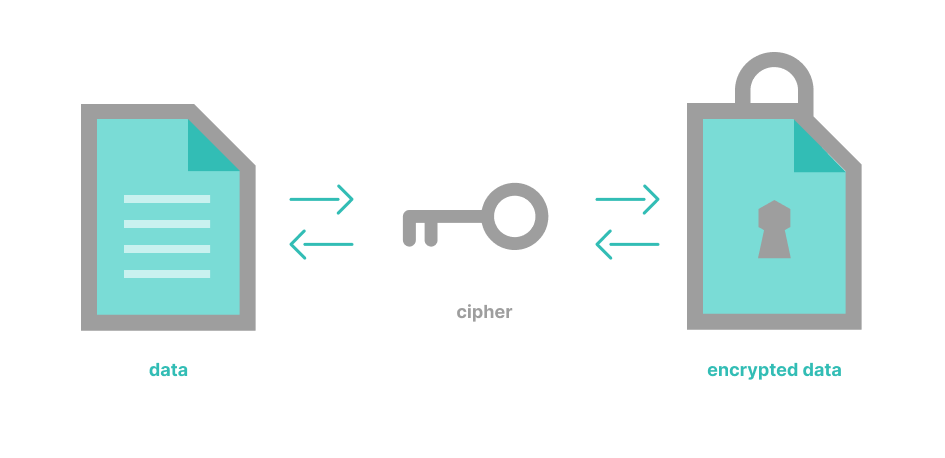
Hey there, security-conscious developers! 🔐
Have you ever felt worried about data security in the applications you’re building? Or maybe you’ve just been assigned the task of implementing encryption in your Go application and feel overwhelmed by all the available options?
Well, you’re not alone! I remember when I was first asked to implement encryption in an e-commerce application I was working on. At that time, I was completely confused – AES, RSA, SHA, HMAC… it all sounded like a confusing alphabet soup!
But after years of working with cryptography in Go, I’ve realized that implementing secure encryption isn’t as difficult as it seems. The key is understanding the basic concepts and following best practices.
So grab a cup of coffee (or tea, if you prefer! ☕), and let’s dive into the fascinating world of encryption in Golang. I’ll share personal experiences, security tips, and implementation examples that I’ve used in real projects.
Why Encryption is So Important
The Security Wake-Up Call
Before we dive into the implementation, let me tell you why encryption is so crucial in today’s digital world.
Shocking fact: According to the Verizon Data Breach Investigations 2023 report, 83% of data breaches involved unencrypted data. And even more shocking, 60% of companies that experience data breaches go bankrupt within 6 months.
I once worked at a fintech startup that almost experienced a security disaster because user credit card data wasn’t properly encrypted. Fortunately, we found the issue before anyone could exploit it. Since then, I’ve become extremely fanatical about data security.
What Makes Go Great for Cryptography?
Golang has several advantages for cryptographic implementation:
- Strong Standard Library: Go’s built-in
cryptopackage is very comprehensive - High Performance: Optimized for cryptographic operations
- Cross-Platform: Consistent across different platforms
- Memory Safety: Reduces the risk of buffer overflow and memory corruption
Encryption Methods You Need to Know
1. AES (Advanced Encryption Standard): The Workhorse
AES is like the workhorse of encryption. It’s a symmetric algorithm that uses the same key for encryption and decryption.
When to use: For encrypting large amounts of data, files, or data that needs to be accessed quickly.
My personal experience: I use AES to encrypt database configuration files and API keys in production applications. It provides good security without sacrificing performance.
package main import ( "crypto/aes" "crypto/cipher" "crypto/rand" "encoding/hex" "fmt" "io" ) func encryptAES(key, plaintext []byte) (string, error) { // Validate key length if len(key) != 32 { return "", fmt.Errorf("key must be 32 bytes for AES-256") } block, err := aes.NewCipher(key) if err != nil { return "", fmt.Errorf("failed to create cipher: %v", err) } // Create random IV (Initialization Vector) ciphertext := make([]byte, aes.BlockSize+len(plaintext)) iv := ciphertext[:aes.BlockSize] if _, err := io.ReadFull(rand.Reader, iv); err != nil { return "", fmt.Errorf("failed to generate IV: %v", err) } // Encrypt using CFB mode stream := cipher.NewCFBEncrypter(block, iv) stream.XORKeyStream(ciphertext[aes.BlockSize:], plaintext) return hex.EncodeToString(ciphertext), nil } func decryptAES(key []byte, encrypted string) (string, error) { // Decode from hex string ciphertext, err := hex.DecodeString(encrypted) if err != nil { return "", fmt.Errorf("failed to decode hex: %v", err) } // Validate ciphertext length if len(ciphertext) < aes.BlockSize { return "", fmt.Errorf("ciphertext too short") } block, err := aes.NewCipher(key) if err != nil { return "", fmt.Errorf("failed to create cipher: %v", err) } // Extract IV and ciphertext iv := ciphertext[:aes.BlockSize] ciphertext = ciphertext[aes.BlockSize:] // Decrypt stream := cipher.NewCFBDecrypter(block, iv) stream.XORKeyStream(ciphertext, ciphertext) return string(ciphertext), nil } func main() { // 32-byte key for AES-256 key := []byte("thisis32bitlongpassphrasekey!") plaintext := "This is very important secret data!" fmt.Printf("Plaintext: %s\n", plaintext) // Encrypt encrypted, err := encryptAES(key, []byte(plaintext)) if err != nil { fmt.Printf("Error during encryption: %v\n", err) return } fmt.Printf("Encrypted data: %s\n", encrypted) // Decrypt decrypted, err := decryptAES(key, encrypted) if err != nil { fmt.Printf("Error during decryption: %v\n", err) return } fmt.Printf("Decrypted data: %s\n", decrypted) }
Security tips from my experience:
- Always use a random IV for each encryption
- Store the IV together with the ciphertext
- Use keys that are long enough (32 bytes for AES-256)
- Validate input before encryption
2. RSA: The Asymmetric Champion
RSA is an asymmetric algorithm that uses a pair of keys – a public key for encryption and a private key for decryption.
When to use: For encrypting symmetric keys, digital signatures, or communications that require authentication.
My personal experience: I use RSA to encrypt AES keys used for encrypting user data. This provides an additional layer of security.
package main import ( "crypto/rand" "crypto/rsa" "crypto/sha256" "crypto/x509" "encoding/pem" "fmt" ) func generateRSAKeyPair() (*rsa.PrivateKey, *rsa.PublicKey, error) { // Generate 2048-bit private key privateKey, err := rsa.GenerateKey(rand.Reader, 2048) if err != nil { return nil, nil, fmt.Errorf("failed to generate key: %v", err) } return privateKey, &privateKey.PublicKey, nil } func encryptRSA(publicKey *rsa.PublicKey, plaintext []byte) ([]byte, error) { // RSA can only encrypt data smaller than the key size // For large data, use hybrid encryption return rsa.EncryptOAEP(sha256.New(), rand.Reader, publicKey, plaintext, nil) } func decryptRSA(privateKey *rsa.PrivateKey, ciphertext []byte) ([]byte, error) { return rsa.DecryptOAEP(sha256.New(), rand.Reader, privateKey, ciphertext, nil) } func signRSA(privateKey *rsa.PrivateKey, data []byte) ([]byte, error) { return rsa.SignPKCS1v15(rand.Reader, privateKey, crypto.SHA256, data) } func verifyRSA(publicKey *rsa.PublicKey, data, signature []byte) error { return rsa.VerifyPKCS1v15(publicKey, crypto.SHA256, data, signature) } func main() { // Generate key pair privateKey, publicKey, err := generateRSAKeyPair() if err != nil { fmt.Printf("Error generating keys: %v\n", err) return } // Data to encrypt message := []byte("Secret message for RSA") // Encrypt with public key encrypted, err := encryptRSA(publicKey, message) if err != nil { fmt.Printf("Error encrypting: %v\n", err) return } fmt.Printf("Encrypted: %x\n", encrypted) // Decrypt with private key decrypted, err := decryptRSA(privateKey, encrypted) if err != nil { fmt.Printf("Error decrypting: %v\n", err) return } fmt.Printf("Decrypted: %s\n", string(decrypted)) // Digital signature signature, err := signRSA(privateKey, message) if err != nil { fmt.Printf("Error signing: %v\n", err) return } // Verify signature err = verifyRSA(publicKey, message, signature) if err != nil { fmt.Printf("Signature verification failed: %v\n", err) } else { fmt.Println("Signature verified successfully!") } }
3. Hybrid Encryption: The Best of Both Worlds
For large data, we often use a combination of RSA and AES – this is called hybrid encryption.
When to use: For encrypting large files or data that needs to be sent securely.
package main import ( "crypto/aes" "crypto/cipher" "crypto/rand" "crypto/rsa" "crypto/sha256" "encoding/hex" "fmt" "io" ) type EncryptedData struct { EncryptedKey []byte `json:"encrypted_key"` IV []byte `json:"iv"` Data []byte `json:"data"` } func hybridEncrypt(publicKey *rsa.PublicKey, plaintext []byte) (*EncryptedData, error) { // Generate random AES key aesKey := make([]byte, 32) if _, err := io.ReadFull(rand.Reader, aesKey); err != nil { return nil, fmt.Errorf("failed to generate AES key: %v", err) } // Encrypt data with AES block, err := aes.NewCipher(aesKey) if err != nil { return nil, fmt.Errorf("failed to create AES cipher: %v", err) } iv := make([]byte, aes.BlockSize) if _, err := io.ReadFull(rand.Reader, iv); err != nil { return nil, fmt.Errorf("failed to generate IV: %v", err) } ciphertext := make([]byte, len(plaintext)) stream := cipher.NewCFBEncrypter(block, iv) stream.XORKeyStream(ciphertext, plaintext) // Encrypt AES key with RSA encryptedKey, err := rsa.EncryptOAEP(sha256.New(), rand.Reader, publicKey, aesKey, nil) if err != nil { return nil, fmt.Errorf("failed to encrypt AES key: %v", err) } return &EncryptedData{ EncryptedKey: encryptedKey, IV: iv, Data: ciphertext, }, nil } func hybridDecrypt(privateKey *rsa.PrivateKey, encryptedData *EncryptedData) ([]byte, error) { // Decrypt AES key with RSA aesKey, err := rsa.DecryptOAEP(sha256.New(), rand.Reader, privateKey, encryptedData.EncryptedKey, nil) if err != nil { return nil, fmt.Errorf("failed to decrypt AES key: %v", err) } // Decrypt data with AES block, err := aes.NewCipher(aesKey) if err != nil { return nil, fmt.Errorf("failed to create AES cipher: %v", err) } plaintext := make([]byte, len(encryptedData.Data)) stream := cipher.NewCFBDecrypter(block, encryptedData.IV) stream.XORKeyStream(plaintext, encryptedData.Data) return plaintext, nil }
Hashing and Password Security
Secure Password Hashing
For passwords, we don’t use encryption, but hashing. Here’s a secure implementation:
package main import ( "crypto/rand" "encoding/base64" "fmt" "golang.org/x/crypto/bcrypt" ) func hashPassword(password string) (string, error) { // Generate salt and hash password hashedBytes, err := bcrypt.GenerateFromPassword([]byte(password), bcrypt.DefaultCost) if err != nil { return "", fmt.Errorf("failed to hash password: %v", err) } return string(hashedBytes), nil } func verifyPassword(password, hashedPassword string) bool { err := bcrypt.CompareHashAndPassword([]byte(hashedPassword), []byte(password)) return err == nil } func generateSecureToken() (string, error) { // Generate random token for password reset, session, etc. token := make([]byte, 32) if _, err := rand.Read(token); err != nil { return "", fmt.Errorf("failed to generate token: %v", err) } return base64.URLEncoding.EncodeToString(token), nil }
Best Practices from My Experience
1. Key Management
// ❌ Bad - hardcoded key key := []byte("mysecretkey123") // ✅ Good - load from environment variable key := []byte(os.Getenv("ENCRYPTION_KEY")) if len(key) != 32 { log.Fatal("ENCRYPTION_KEY must be 32 bytes") }
2. Error Handling
// ❌ Bad - ignore error encrypted, _ := encryptAES(key, data) // ✅ Good - handle error properly encrypted, err := encryptAES(key, data) if err != nil { log.Printf("Encryption failed: %v", err) return err }
3. Input Validation
// ❌ Bad - no input validation func encrypt(data []byte) ([]byte, error) { return encryptAES(key, data) } // ✅ Good - validate input func encrypt(data []byte) ([]byte, error) { if len(data) == 0 { return nil, fmt.Errorf("data cannot be empty") } if len(data) > maxDataSize { return nil, fmt.Errorf("data too large") } return encryptAES(key, data) }
Common Security Mistakes and How to Avoid Them
1. Using Weak Algorithms
// ❌ Bad - MD5 (no longer secure) import "crypto/md5" hash := md5.Sum(data) // ✅ Good - SHA-256 or SHA-3 import "crypto/sha256" hash := sha256.Sum256(data)
2. Using ECB Mode
// ❌ Bad - ECB mode (not secure) cipher.NewCBCEncrypter(block, iv) // ✅ Good - CFB or GCM mode cipher.NewCFBEncrypter(block, iv)
3. Not Using Salt for Passwords
// ❌ Bad - no salt hash := sha256.Sum256([]byte(password)) // ✅ Good - using bcrypt with automatic salt hashedPassword, err := bcrypt.GenerateFromPassword([]byte(password), bcrypt.DefaultCost)
Real-World Examples from My Projects
1. Secure Configuration Storage
type SecureConfig struct { DatabaseURL string `json:"database_url"` APIKey string `json:"api_key"` SecretKey string `json:"secret_key"` } func SaveSecureConfig(config SecureConfig, encryptionKey []byte) error { // Serialize config configJSON, err := json.Marshal(config) if err != nil { return fmt.Errorf("failed to marshal config: %v", err) } // Encrypt config encrypted, err := encryptAES(encryptionKey, configJSON) if err != nil { return fmt.Errorf("failed to encrypt config: %v", err) } // Save to file return os.WriteFile("config.enc", []byte(encrypted), 0600) } func LoadSecureConfig(encryptionKey []byte) (*SecureConfig, error) { // Read encrypted file encryptedData, err := os.ReadFile("config.enc") if err != nil { return nil, fmt.Errorf("failed to read config file: %v", err) } // Decrypt config decrypted, err := decryptAES(encryptionKey, string(encryptedData)) if err != nil { return nil, fmt.Errorf("failed to decrypt config: %v", err) } // Deserialize config var config SecureConfig if err := json.Unmarshal([]byte(decrypted), &config); err != nil { return nil, fmt.Errorf("failed to unmarshal config: %v", err) } return &config, nil }
2. Secure API Communication
type SecureMessage struct { EncryptedData string `json:"encrypted_data"` Signature string `json:"signature"` Timestamp int64 `json:"timestamp"` } func SendSecureMessage(message []byte, privateKey *rsa.PrivateKey, publicKey *rsa.PublicKey) (*SecureMessage, error) { // Encrypt message encrypted, err := encryptRSA(publicKey, message) if err != nil { return nil, fmt.Errorf("failed to encrypt message: %v", err) } // Sign message signature, err := signRSA(privateKey, encrypted) if err != nil { return nil, fmt.Errorf("failed to sign message: %v", err) } return &SecureMessage{ EncryptedData: base64.StdEncoding.EncodeToString(encrypted), Signature: base64.StdEncoding.EncodeToString(signature), Timestamp: time.Now().Unix(), }, nil }
Performance Considerations
1. Benchmarking Encryption Methods
func benchmarkEncryption() { data := []byte("This is test data for encryption benchmarking") key := []byte("thisis32bitlongpassphrasekey!") // Benchmark AES start := time.Now() for i := 0; i < 1000; i++ { encryptAES(key, data) } aesTime := time.Since(start) fmt.Printf("AES encryption (1000 iterations): %v\n", aesTime) }
2. Memory Management
// Clear sensitive data from memory func secureClear(data []byte) { for i := range data { data[i] = 0 } } // Use defer to ensure data is cleaned up func processSensitiveData(data []byte) { defer secureClear(data) // Process data... }
The Future of Cryptography in Go
1. Post-Quantum Cryptography
Go is starting to support post-quantum cryptography algorithms:
// Go 1.21+ supports some post-quantum algorithms import "crypto/ed25519"
2. Hardware Acceleration
Go supports hardware acceleration for cryptography:
// Use hardware acceleration when available import "crypto/aes" // Go will automatically use AES-NI if available
Final Thoughts: Security is a Journey
Implementing secure encryption isn’t just about writing correct code – it’s about maintaining a consistent security mindset.
“Security is not a product, but a process.” – Bruce Schneier
Key Takeaways:
- Always Use Strong Algorithms: AES-256, RSA-2048, SHA-256
- Proper Key Management: Never hardcode keys, use environment variables
- Input Validation: Always validate input before encryption
- Error Handling: Handle errors properly, don’t ignore them
- Regular Updates: Keep your crypto libraries updated
Secure Your Applications with Proper Encryption

Implementing secure encryption is an important investment to protect user data and your application's reputation. Start with best practices and keep learning about security.
Your Turn: Secure Your Code
I want to hear from you! What’s the biggest challenge you face when implementing encryption? Which encryption method do you use most often? And what security tips have you discovered while working with cryptography?
Share your experiences in the comments below – let’s learn together and share knowledge about security!
And remember, security isn’t just about technology – it’s about protecting data and user trust. Keep learning, keep practicing, and never stop caring about security! 🔐✨
See you again, fellow security-conscious developers! Keep your code secure and your data protected! 💻🛡️


Comments